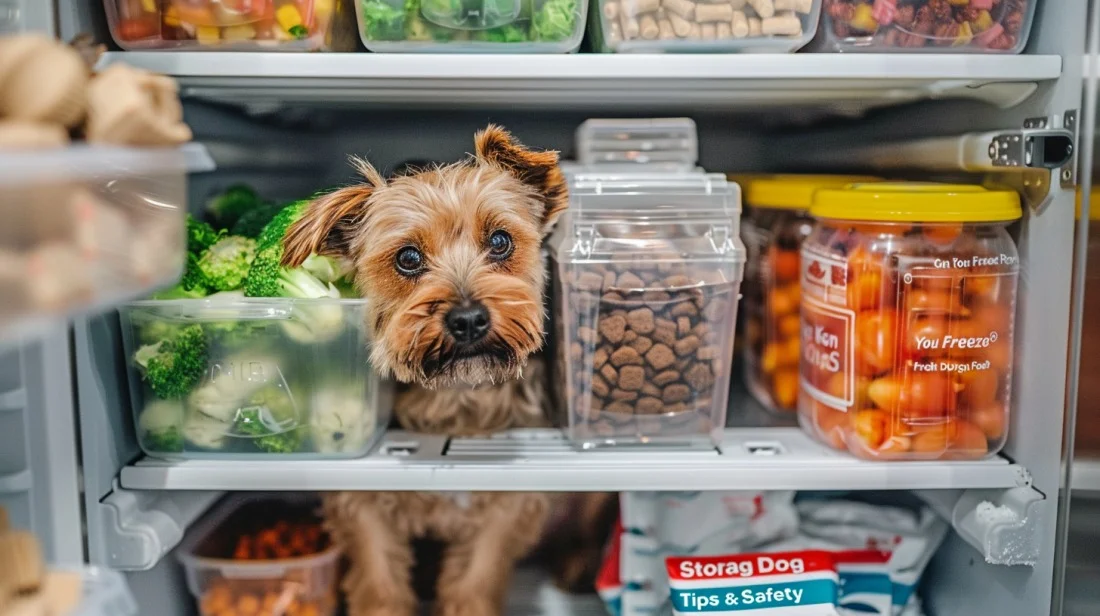
Frozen Feast: Can You Freeze Dog Food? (And Should

Ever found yourself with more kibble than your canine crew can conquer? Or perhaps you're a home cook who whips up gourmet meals for Fido? Don't let those leftovers go to waste! Your freezer might just be the answer to your dog food dilemmas.
To Freeze or Not to Freeze: That is the Question
The good news is, yes, you can freeze most types of dog food. But should you? Well, that depends.
Kibble: Dry dog food is a champion when it comes to freezing. It'll stay fresh for months in the freezer, preventing those pesky oils from going rancid and keeping the kibble crunchy and delicious. Plus, it's super convenient to have a stash on hand for those busy mornings. See other information here: https://mdogsw.com/dog-nutrition/freeze-fresh-dog-food/
Canned Food: Wet food can also be frozen, but it's a bit trickier. Freezing can change the texture, making it more watery when thawed. It's best to freeze leftover canned food in smaller portions for individual meals.
Homemade Dog Food: This is where freezing truly shines. If you're a kitchen whiz who cooks up fresh meals for your pup, freezing is a fantastic way to save time and ensure your dog always has a nutritious meal ready to go. Just make sure to use freezer-safe containers or bags.
The Perks of the Big Chill
So, why bother with the whole freezing fiasco? Here are a few paw-some benefits:
Preserve Freshness: Freezing helps lock in nutrients and flavor, especially in homemade or raw diets.
Prevent Spoilage: Extend the shelf life of opened cans or bags of food, reducing waste.
Save Money: Buying in bulk and freezing can be more cost-effective than frequent small purchases.
Convenience: Having pre-portioned frozen meals makes mealtime a breeze.
Food Safety: Freezing can help kill certain parasites that may be present in raw food.
Tips for Freezing Fido's Feast:
Portion Control: Divide food into individual serving sizes to avoid thawing more than you need.
Proper Packaging: Use airtight containers or freezer-safe bags to prevent freezer burn.
Label Clearly: Include the date and type of food on each container.
Thaw Safely: Thaw frozen food in the refrigerator overnight or use the defrost setting on your microwave. Never refreeze thawed food.
Word of Caution:
While freezing is a fantastic way to extend the shelf life of most dog foods, it's important to read the label and follow any specific freezing instructions provided by the manufacturer.
If you're feeding your dog a raw diet, research proper freezing and thawing techniques to ensure food safety. Raw meat can harbor bacteria, so it's crucial to handle it with care.
Freezing dog food is a paw-sitive way to save time, money, and reduce food waste. By following these simple tips, you can keep your dog's meals fresh, flavorful, and nutritious, no matter what the season.