Creative and Sustainable: The Many Uses of Paper

In a world increasingly focused on sustainability and innovation, simple materials like paper tubes are finding their way into creative.
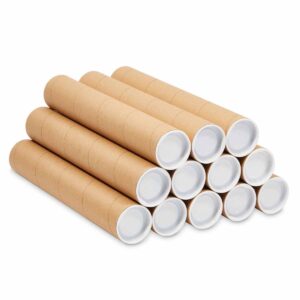
In a world increasingly focused on sustainability and innovation, simple materials like paper tubes are finding their way into creative and practical applications. These unassuming cylindrical structures, often made from recycled paper, have evolved from their basic function as storage cores to becoming an integral part of eco-friendly living, innovative design, and efficient packaging solutions.
The Origin of Paper Tubes: More Than Meets the Eye
At first glance, paper tubes might seem like a minor part of the industrial and consumer landscape. Traditionally used as cores for products like paper towels, toilet paper, and adhesive tapes, their purpose was straightforward—structural support. However, as industries and individuals explore sustainable practices, paper tubes are being reimagined for a wide range of purposes.
The composition of paper tubes is simple yet ingenious. Layers of recycled paper are wound tightly and bonded together with adhesives, creating a durable, lightweight, and versatile product. The process itself is environmentally friendly, as it often uses recycled materials and minimizes waste.
Packaging Reinvented
One of the most significant applications of paper tubes today is in the packaging industry. Businesses are moving away from single-use plastics, and paper tubes provide a sturdy, biodegradable alternative. They protect fragile items during shipping, hold loose materials securely, and even serve as sleek containers for high-end products like cosmetics and gourmet foods.
Consumers appreciate the aesthetic appeal of paper tube packaging. With smooth surfaces perfect for branding and a unique cylindrical shape, unlike they stand out on store shelves. traditional boxes, paper tubes offer a tactile and visual experience that aligns with modern trends in sustainable and stylish packaging.
Crafting a Greener Future
Beyond industrial applications, paper tubes have inspired artists, designers, and hobbyists. These humble materials are now being used in creative projects ranging from DIY crafts to large-scale architectural installations.
1. DIY Crafts for All Ages
Paper tubes are a staple in crafting projects for kids and adults alike. With some paint, glue, and imagination, they transform into toys, decorations, or even practical household items. Parents and teachers often use them in educational settings to teach children about recycling and creativity simultaneously. From building miniature castles to crafting pen holders, the possibilities are endless.
2. Home Decor and Furniture
Designers are embracing paper tubes as an innovative material for home decor and furniture. Chairs, tables, and even lampshades crafted from paper tubes demonstrate their strength and aesthetic potential. Lightweight yet durable, these creations are not only functional but also make a bold statement about sustainability.
3. Architectural Innovations
Perhaps one of the most remarkable uses of paper tubes is in architecture. Renowned architect Shigeru Ban has used them to create temporary shelters, exhibition spaces, and even entire buildings. Paper tubes offer an affordable and eco-friendly alternative to traditional construction materials, making them ideal for emergency housing and temporary structures. Their modularity and ease of assembly further enhance their appeal in this context.
Paper Tubes in Gardening and Agriculture
Sustainability in gardening and agriculture is another area where paper tubes shine. Gardeners often use them as biodegradable seed starters. These small tubes can be filled with soil and seeds, then planted directly into the ground. As the plant grows, the tube decomposes, enriching the soil and eliminating the need for plastic pots.
Farmers are also exploring the use of larger paper tubes for innovative planting techniques. These tubes can help manage soil erosion, protect young plants, and reduce water usage. Their natural composition ensures they leave no harmful residues behind, aligning perfectly with organic farming practices.
Educational Tools and STEM Projects
Educators and STEM enthusiasts have discovered the potential of paper tubes as teaching tools. Their simple design makes them ideal for explaining concepts like geometry, engineering, and physics. Students can use them to build models of bridges, towers, and other structures, learning about stability, weight distribution, and material strength in the process.
Additionally, paper tubes encourage hands-on learning. They inspire students to think creatively and work collaboratively, essential skills in today's rapidly changing world. Schools that incorporate sustainable materials like paper tubes into their curriculum also instill eco-conscious values in students from an early age.
Revolutionizing Retail and Consumer Experiences
Retailers and brands are constantly seeking ways to stand out while reducing their environmental footprint. Paper tubes are proving to be a game-changer in this space. Luxury brands, in particular, have embraced them for their eco-chic appeal. High-quality paper tubes with embossed logos and vibrant colors exude sophistication while reflecting a commitment to sustainability.
Even small businesses benefit from using paper tubes. They provide an affordable yet premium-looking packaging option that resonates with eco-conscious consumers. The tactile experience of opening a paper tube adds an element of surprise and delight, creating memorable customer experiences.
Challenges and the Way Forward
Despite their numerous advantages, paper tubes face certain challenges. Their water resistance, for instance, is limited unless treated with coatings or linings, which can affect their biodegradability. Innovations in material science are addressing these issues by developing coatings that are both eco-friendly and functional.
Another challenge is scalability. While paper tubes work well for small to medium-scale applications, producing them in large quantities for certain industries may require significant investment. However, as demand for sustainable alternatives grows, economies of scale are expected to make paper tube production more viable.
The Environmental Impact of Paper Tubes
The shift toward using paper tubes contributes to a more sustainable future. Their production relies heavily on recycled materials, reducing the demand for virgin resources. Unlike plastics, which take hundreds of years to decompose, paper tubes break down naturally, leaving no harmful microplastics behind .
Additionally, the energy required to manufacture paper tubes is relatively low compared to other packaging materials. This reduces their carbon footprint, making them an excellent choice for environmentally conscious businesses and consumers.
A Call to Action: Embrace the Versatility of Paper Tubes
As we continue to search for ways to live more sustainably, it's essential to recognize the potential of materials like paper tubes. Their versatility, durability, and eco-friendliness make them a valuable resource in numerous industries. Whether used for packaging, crafting, construction , or education, paper tubes demonstrate that simple solutions can have a significant impact.
Next time you encounter a paper tube, consider its potential beyond its original purpose. With a bit of creativity and an eco-conscious mindset, these humble cylinders can play a role in shaping a greener.